

The U.S. fencing industry is a $12+ billion market with steady growth driven by new home construction, privacy concerns, and pet ownership. Fencing contractors enjoy strong margins (30-50% on most jobs), year-round demand in temperate climates, and relatively low barriers to entry compared to licensed trades like electrical or plumbing.
Whether you're a handy person looking to build a real business or an experienced construction worker ready to specialize, this guide covers everything you need to start a fencing company that's profitable from month one.
Why Fencing Is a Great Trade Business in 2026
- No license required in most states: Unlike electrical or plumbing, most states don't require a specialized license for fence installation
- High material markups: Standard practice is 30-50% markup on materials, plus labor
- Consistent demand: New construction, replacements, storm damage, and additions keep the pipeline full
- Quick turnaround: Most residential fence jobs take 1-3 days, so you can complete 8-15 jobs per month
- Upsell potential: Gates, staining, lighting, and decorative elements add 20-40% to average ticket value
Step 1: Business Setup and Licensing
While most states don't require a fencing-specific license, you still need:
| Requirement | Details | Cost |
|---|---|---|
| Business Registration | LLC or sole proprietorship | $50–$500 |
| General Contractor License | Required in some states for projects over a dollar threshold | $100–$600 |
| General Liability Insurance | $1M minimum recommended | $800–$2,500/yr |
| Commercial Auto Insurance | For your truck and trailer | $1,200–$3,000/yr |
| Workers' Comp | Required when you hire employees | Varies by state |
| Utility Locating (811) | Free service — call before you dig | Free |
Important: Always call 811 before any fence installation to locate underground utilities. Hitting a gas line or fiber optic cable can cost you thousands in liability.
Step 2: Startup Costs Breakdown
| Item | Budget Start | Professional Start |
|---|---|---|
| Truck (used) | $5,000–$12,000 | $20,000–$35,000 |
| Trailer | $1,500–$3,000 | $4,000–$8,000 |
| Post hole digger (gas-powered) | $300–$600 | $1,500–$3,000 (hydraulic) |
| Hand tools and hardware | $500–$1,000 | $2,000–$4,000 |
| Concrete, string line, levels | $200–$400 | $500–$1,000 |
| Saw (miter + circular) | $300–$600 | $800–$1,500 |
| Marketing and website | $500–$1,000 | $2,000–$5,000 |
| Insurance | $2,000–$3,500 | $3,500–$5,500 |
| Total | $10,300–$22,100 | $34,300–$63,000 |
Step 3: Master the Core Fence Types
Focus on learning these five fence types first — they cover 90% of residential demand:
1. Wood Privacy Fence (6ft)
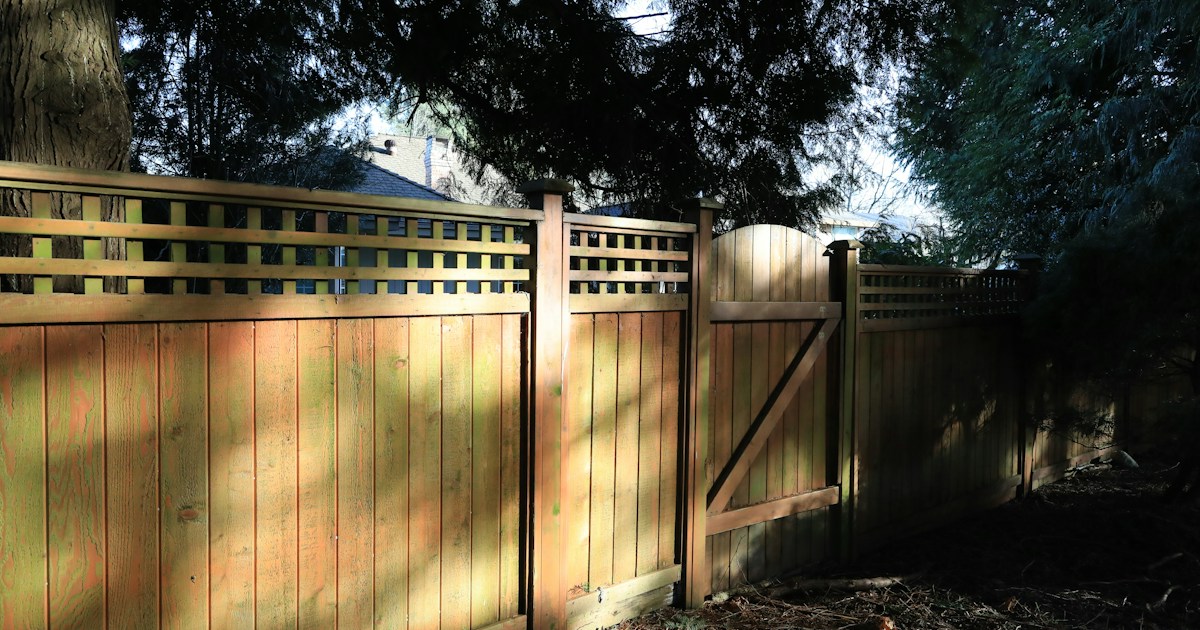
The bread and butter of fencing. Dog-ear and board-on-board styles are the most popular. Material cost: $8–$15/linear foot. Installed price: $25–$45/linear foot.
2. Chain Link Fence
Budget-friendly and durable. Popular for backyards, commercial properties, and dog runs. Material cost: $4–$8/linear foot. Installed price: $15–$25/linear foot.
3. Vinyl/PVC Fence
Premium option with zero maintenance. Higher material cost but commands premium pricing. Material cost: $15–$30/linear foot. Installed price: $30–$60/linear foot.
4. Aluminum/Ornamental Fence
Decorative fencing for front yards and pool enclosures. Material cost: $15–$35/linear foot. Installed price: $30–$70/linear foot.
5. Farm/Ranch Fence
Wire, post-and-rail, and horse fence. Lower per-foot pricing but high-volume jobs (often 500+ linear feet). Material cost: $3–$8/linear foot. Installed price: $8–$18/linear foot.
Step 4: Source Materials Strategically
Your material sourcing strategy directly impacts profitability:
- Establish wholesale accounts with local lumberyards and fence supply distributors — you'll save 15-30% off retail prices
- Buy posts in bulk when prices are low (winter months) and store them
- Consider direct-from-mill purchasing for wood fencing once you're doing 10+ jobs/month
- Mark up materials 30-50% in your estimates — this is industry standard and covers waste, delivery, and overhead
Step 5: Getting Your First Fence Clients
Google Business Profile and Maps
"Fence company near me" and "fence installation [city]" are the highest-converting search terms. Set up your Google Business Profile on day one with photos of completed work.
Home Shows and Local Events
Set up a booth at home and garden shows with sample fence sections. These events generate qualified leads who are actively planning projects.
Yard Signs on Every Job
Put a yard sign on every fence you install (with the homeowner's permission). Neighbors see your work and call. This simple tactic generates 20-30% of new business for most fence companies.
Partner with Landscapers and Builders
Landscapers, general contractors, and home builders all subcontract fence work. Become their reliable fencing subcontractor and you'll have consistent referrals.
Create Professional Fence Estimates with BlueBee App
Fence estimates need to be detailed — clients want to see material costs, labor, gates, and post counts itemized. BlueBee App lets you build professional, itemized estimates on-site and send them to clients instantly.
Track your estimates, convert accepted quotes to invoices, and get paid faster — all from your phone in the field.
Download BlueBee App free on the App Store and start closing more fence jobs today.

Revenue Expectations
Here's what realistic revenue looks like at different stages:
| Stage | Jobs/Month | Avg Revenue/Job | Monthly Revenue |
|---|---|---|---|
| Solo (starting out) | 4–6 | $2,500–$4,000 | $10,000–$24,000 |
| Solo (established) | 8–12 | $3,000–$5,000 | $24,000–$60,000 |
| 2-person crew | 12–20 | $3,500–$6,000 | $42,000–$120,000 |
| Multiple crews | 25+ | $4,000–$8,000 | $100,000+ |
A well-run solo fencing operation can generate $120,000–$250,000 in annual revenue with net margins of 30-40%.