
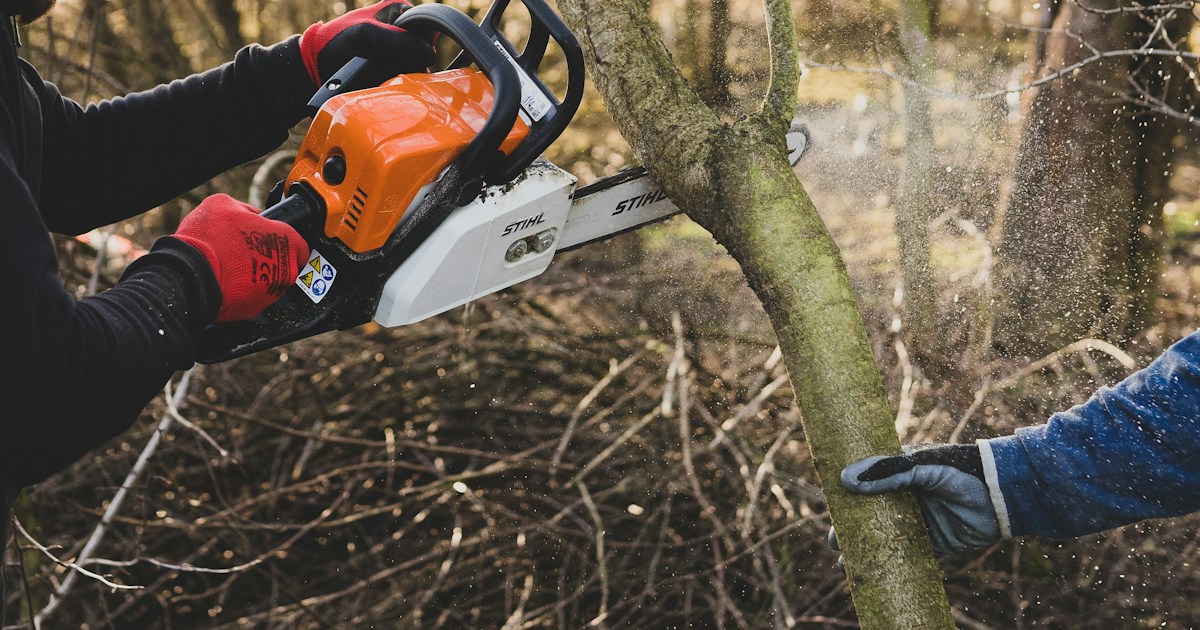
Tree service is one of the highest-earning trades in the blue collar industry. Experienced tree service companies regularly bill $1,000–$5,000 per job, with some large removals exceeding $10,000. The market is driven by storm damage, property maintenance, new construction clearing, and utility line clearance — all of which create consistent, year-round demand.
This guide covers everything you need to know to start a tree service business that's safe, legal, and profitable from the start.
Why Tree Service Is a Lucrative Business
- High per-job revenue: Average tree removal costs homeowners $750–$2,500, with large or hazardous trees commanding $3,000–$10,000+
- Low competition barrier: Many areas have few professional, insured tree companies — homeowners actively seek reliable providers
- Storm damage demand: Emergency tree work after storms commands premium pricing (2-3x normal rates)
- Recurring revenue: Annual pruning contracts with HOAs, commercial properties, and municipalities provide steady income
- Year-round work: Trimming and removal happen year-round; winter dormancy is actually the best time for major pruning
Step 1: Get Licensed and Certified
Business License
Register your LLC or corporation with your state. Most states don't require a specific license for tree work, but some require a contractor's license for jobs over a certain dollar amount.
ISA Certification (Highly Recommended)
The International Society of Arboriculture (ISA) Certified Arborist credential sets you apart from competitors and allows you to charge premium rates. Requirements:
- 3+ years of tree care experience (or a degree in arboriculture/related field)
- Pass the ISA certification exam
- 30 CEUs every 3 years to maintain certification
Insurance (Non-Negotiable)
Tree service is inherently dangerous — proper insurance is critical:
| Insurance Type | Coverage | Annual Cost |
|---|---|---|
| General Liability | $1M–$2M per occurrence | $2,500–$6,000 |
| Commercial Auto | Trucks, chippers, trailers | $2,000–$5,000 |
| Workers' Compensation | Required with employees | $3,000–$8,000+ |
| Inland Marine | Equipment in transit | $500–$1,500 |
| Total | $8,000–$20,500 |
Critical: Never operate without insurance. A single tree falling on a house, car, or person without coverage can bankrupt your business.
Step 2: Equipment and Startup Costs
| Equipment | Budget Start | Professional Start |
|---|---|---|
| Truck (1-ton or dump) | $8,000–$20,000 | $30,000–$55,000 |
| Wood chipper (6" capacity) | $3,000–$8,000 (used) | $15,000–$35,000 |
| Chainsaws (2-3 sizes) | $800–$2,000 | $2,000–$4,000 |
| Climbing gear (saddle, ropes, hardware) | $1,000–$2,500 | $3,000–$5,000 |
| Stump grinder | $2,000–$5,000 (used) | $8,000–$25,000 |
| Trailer | $2,000–$4,000 | $5,000–$12,000 |
| PPE (helmets, chaps, glasses) | $500–$1,000 | $1,500–$3,000 |
| Rigging equipment | $500–$1,500 | $2,000–$5,000 |
| Insurance | $8,000–$12,000 | $12,000–$20,500 |
| Marketing and website | $500–$1,500 | $2,000–$5,000 |
| Total | $26,300–$57,500 | $80,500–$169,500 |
Pro tip: Start without a stump grinder — subcontract stump grinding initially or rent one as needed ($200–$400/day). Buy your own once you're doing 10+ stumps per month.
Step 3: Master Safety Protocols
Tree work is among the most dangerous occupations in the U.S. (BLS fatality rate: 55.9 per 100,000 workers). Safety is not optional:
- Never climb without proper PPE: Helmet, face shield, chainsaw chaps, climbing saddle, steel-toe boots
- Always establish a drop zone: Clear the area below where limbs will fall, use flagging tape and cones
- Use proper rigging: Never free-fall large limbs near structures — use rigging ropes to control descent
- Maintain chainsaw chains: A dull chain is more dangerous than a sharp one (kickback risk increases)
- Know your limits: Hazardous trees near power lines require utility-certified crews. Never work within 10 feet of power lines without proper training and utility notification
Step 4: Getting Clients
Google Business Profile
"Tree removal near me" and "tree service [city]" are the highest-intent searches. Set up your profile with before-and-after photos of tree work.
Storm Chasing (Strategically)
After major storms, demand for tree work spikes. Be ready with emergency pricing and rapid response. Build relationships with insurance adjusters who can refer homeowners.
Real Estate and Property Management
Real estate agents need trees removed or trimmed before listings. Property managers need annual maintenance. Both provide repeat business.
Yard Signs and Door Hangers
When you're working on a visible tree job, put out yard signs on the street. Drop door hangers at neighboring houses — if one tree needs work, neighbors' trees often do too.
Create Professional Tree Service Estimates with BlueBee App
Tree service estimates must include species, size, location, hazards, and equipment needed. BlueBee App lets you build detailed, professional estimates on-site — complete with line items for removal, pruning, stump grinding, and debris hauling.
Send branded estimates instantly, track which ones convert, and turn accepted quotes into invoices.
Download BlueBee App free on the App Store and win more tree jobs with professional estimates.

Revenue Expectations
| Stage | Jobs/Month | Avg Revenue/Job | Monthly Revenue |
|---|---|---|---|
| Solo + ground crew | 8–12 | $800–$2,000 | $6,400–$24,000 |
| Established (1 crew) | 15–25 | $1,200–$3,000 | $18,000–$75,000 |
| 2 crews | 30–50 | $1,500–$4,000 | $45,000–$200,000 |
| Full operation + crane | 40+ | $2,000–$8,000 | $80,000–$320,000+ |